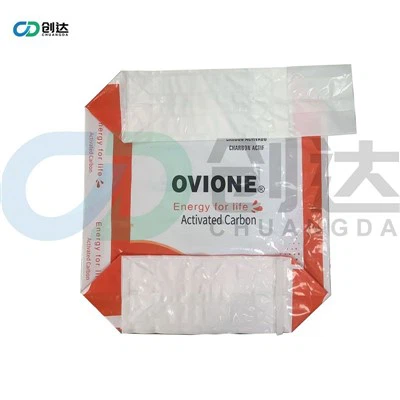
PE bags (polyethylene bags) come in a variety of sizes, typically determined by factors such as their intended use, thickness, and size. Here are some common specifications to help you understand:
Thickness: Typically expressed in millimeters (mm) or filaments (1 filament = 0.01mm). For example, a standard plastic shopping bag may be between 0.03mm and 0.05mm thick, while PE bags used for industrial packaging may be thicker, reaching over 0.2mm.
Dimensions: PE bag dimensions are generally measured in millimeters (mm) by width x length (W x L). For example, a commonly used small PE bag might be 200mm x 300mm, suitable for packaging small items.
Types:
1. Flat bag: The most common type, with two sealed sides and an open top.
2. Stand-up bag: Features a folded bottom edge that allows it to stand upright, commonly used for food packaging.
3. Ziplock bag: Features a self-adhesive strip for easy reuse, suitable for storing items that require frequent access.
4. Bone Bags: Similar to ziplock bags, but with a different sealing method, achieved by squeezing the two sides.
Color:
Transparent is the most common color, but many other colors are available, such as white, black, or other specialized colors to distinguish different contents or meet specific needs.