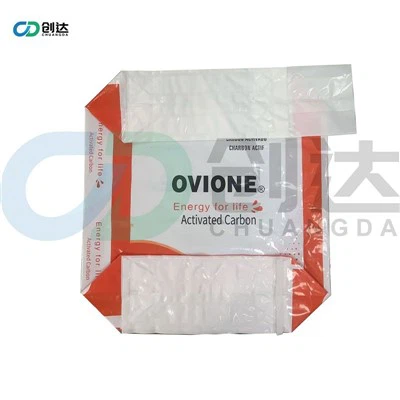
The primary raw material for PE bags is polyethylene (PE), a thermoplastic resin made by polymerizing ethylene. Industrially, this also includes copolymers of ethylene with small amounts of α-olefins. Polyethylene possesses excellent properties, making it suitable as a packaging bag material. It has excellent chemical stability and is resistant to most acids and bases, but is not resistant to oxidizing acids. Polyethylene also offers excellent insulation and low-temperature resistance, but has poor resistance to thermal aging and is flammable.
To improve the plastic's performance, various auxiliary materials are added to the polymer during PE bag production, such as fillers (such as calcium carbonate and starch), plasticizers, lubricants, stabilizers, and colorants (such as masterbatch). These auxiliary materials help adjust the physical and chemical properties of PE bags to meet specific application requirements.
Please note that there are many types of polyethylene bags, including flat bags, ziplock bags, and zipper bags. While the manufacturing processes and uses of these bags may vary, their primary raw material is polyethylene. Furthermore, because polyethylene is difficult to decompose in the natural environment, used PE bags should be properly disposed of to avoid environmental pollution.