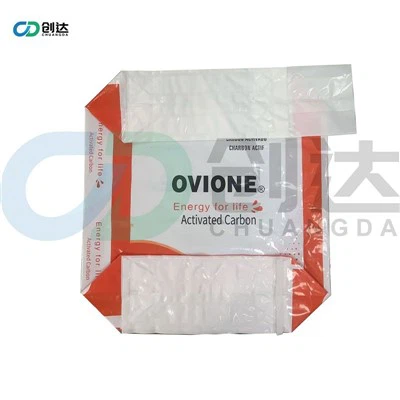
Many people struggle with choosing between PP and PE materials when selecting ton bags-actually, neither is inherently better or worse; the key is the suitable application scenario!
Simply put: Choose PP for high-temperature and neutral materials, and PE for room-temperature, corrosive, or folding applications.
Differences in temperature resistance
PP material has a higher upper temperature resistance limit, reaching 100-120℃. Even when loading materials with residual heat, such as cement and coke, it will not deform. PE material has a slightly lower temperature resistance, typically between 60-80℃, making it more suitable for loading room-temperature materials such as grains and sand. It also offers better cost-effectiveness. Choose according to the material's temperature requirements.
Differences in Corrosion Resistance
PE material boasts strong chemical stability and superior corrosion resistance, making it a reliable choice for loading acidic and alkaline materials in the chemical industry. PP material has weaker resistance to strong oxidizing substances, making it more suitable for loading neutral materials such as plastic granules and feed. In daily use, it also offers advantages in wear resistance and durability, making it suitable for the storage and transportation of neutral materials.
Differences in Flexibility
PE material is more flexible, less prone to cracking after folding, and easy to store empty bags, making it particularly suitable for applications requiring frequent handling and repeated folding. PP material is more rigid, offering stronger structural stability under load. It is less likely to collapse when stacked with heavy loads, meeting the needs of long-term warehousing and adapting to various application scenarios.