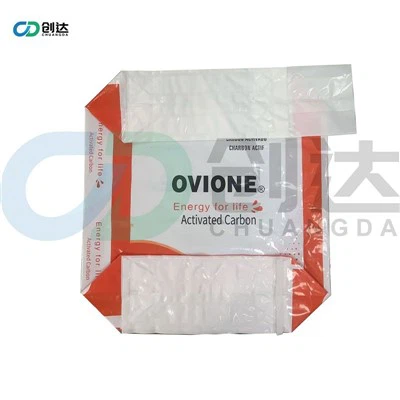
FFS shaped bags form, fill, and seal in one continuous pass, running 60–120 bags per minute versus 30–50 bags/min on conventional pre-made-bag lines, while cutting material waste 15–20% and warehouse storage needs by roughly 80%. This guide compares FFS shaped bags to PP woven heavy-duty bags and walks through a five-step process for choosing and ordering the right format for food, chemical, or agricultural exports in 2026.
Flexible packaging buyers heading into 2026 are being pulled in two directions at once. Regulators across the EU, North America, and parts of Asia keep tightening rules on recyclability and single-use plastics, while e-commerce and fast-moving consumer goods brands keep pushing for higher-speed, lower-cost fulfillment. Market trackers following flexible plastic packaging point to mono-material recyclable film and post-consumer recycled resin as two of the fastest-growing categories, alongside steady demand for lightweight, high-barrier pouches in food, pharmaceutical, and industrial segments.
For exporters still packing bulk powders, chemicals, or agricultural inputs in traditional woven sacks, that shift raises a practical question: does it make sense to move to Form-Fill-Seal (FFS) shaped bags, and how do they actually compare to what you're using now?
Why FFS Shaped Bags Are Gaining Ground
|
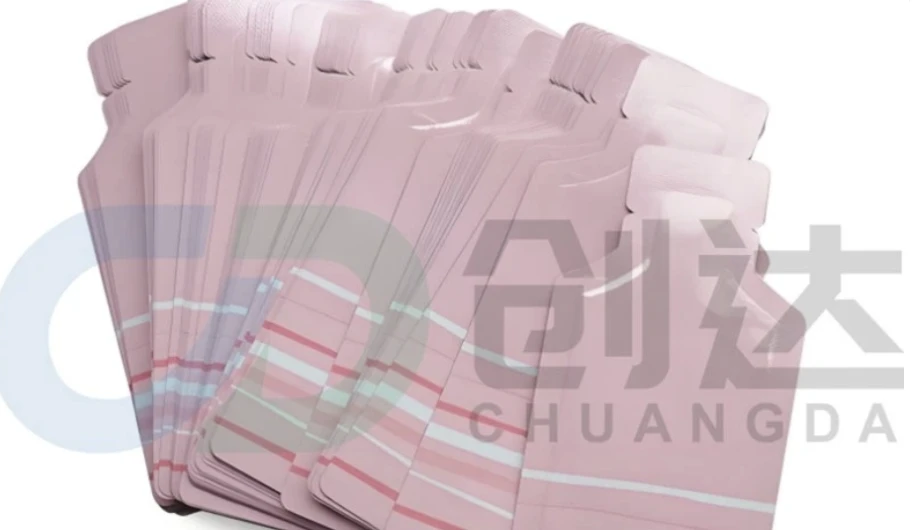
A Form-Fill-Seal (FFS) shaped bag system combines bag-forming, filling, and sealing into a single machine pass. FFS lines can produce 60–120 bags per minute, well above the 30–50 bags per minute typical of conventional bag-making-and-filling equipment running as two separate steps. The speed comes from feeding roll film directly into the machine, which also removes the need to store pre-made empty bags - cutting warehouse space by roughly 80% and logistics costs by around 30% compared with shipping in pre-made pouches. |
|
60-120 bags/min on FFS line |
15-20% less material waste |
80% less storage space needed |
≤15 min mold changeover time |
Beyond speed, the bag structure itself does more work. Stand-up zipper bags reseal with ≥10N/30mm zipper strength and stand at an angle of ≥85°, extending freshness after opening - useful for pet food and snacks. Multi-layer barrier structures such as PET (12μm) + EVOH (7μm) + PE (80μm) bring the oxygen transmission rate down to ≤5cm³/(m²·24h), suited to coffee and milk powder. For chemical powders, anti-static formulations with surface resistance ≤10⁸Ω help meet ATEX Zone 21 explosion-proof requirements for flammable powders like aluminum or carbon powder.
FFS Shaped Bags vs PP Woven Heavy-Duty Bags
Many exporters packaging cement, fertilizer, or bulk powders still default to PP woven bags. They remain a reasonable choice for certain loads, but the two formats perform differently enough that the choice should be made deliberately rather than by habit.
|
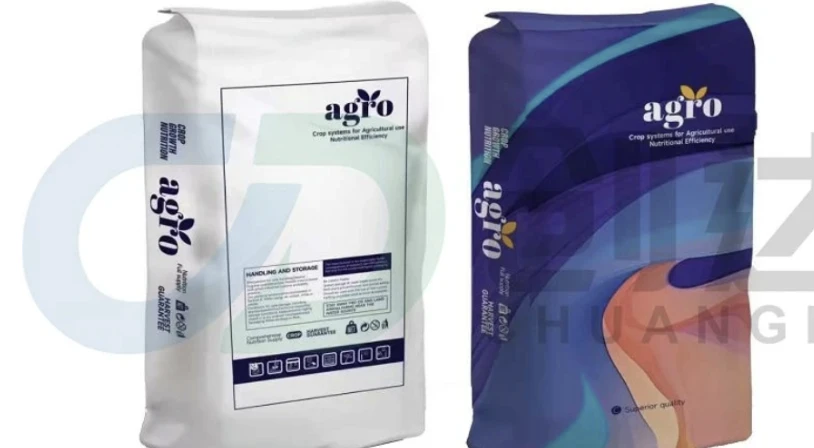
Heavy Duty Powder Packaging Bags use polypropylene woven fabric at 120–200g/m², with warp and weft tensile strength of ≥2000N/50mm. In drop testing, a 25kg filled bag survives three free falls from 1.5m without failure - a solid benchmark for rough handling and long-haul freight, though woven fabric alone offers little moisture or oxygen barrier compared with laminated film. |
| Property | FFS Shaped Bags (PE film) | PP Woven Heavy-Duty Bags |
|---|---|---|
| Production speed | 60–120 bags/min, integrated form-fill-seal line | 30–50 bags/min, separate bag-making and filling |
| Material | 2–4 layer laminated PE film, 100–250 micron | Woven PP fabric, 120–200 g/m² |
| Impact resistance | mPE inner layer adds 40% more puncture strength | 25kg bag passes 3 drops from 1.5m |
| Barrier performance | OTR ≤5cm³/(m²·24h) with PET+EVOH+PE structure | Minimal built-in moisture/oxygen barrier |
| Best fit | Food, milk powder, chemicals needing barrier + speed | Cement, fertilizer, construction aggregates |
| MOQ | 1,000 pcs (standard FFS bags) | Contact for quote by size/spec |
How to Choose and Order the Right Bag
|

About Jinan New District Chuangda Plastic Packaging Factory
|
Chuangda operates a 10,000-square-meter factory in Jinan New District, Handan, Hebei Province, running multiple three-layer film blowing machines alongside professional printing, embossing-edge inserting, and computer-controlled high-speed bag-making equipment. The R&D team also works on degradable film technology, including PBAT+PLA blends for markets that require compostable packaging. |

| ▸ Our Equipment
Three-layer film blowing machines, gravure and flexographic printing lines, embossing-edge inserting machines, and computer-controlled high-speed bag-making equipment. |
▸ Our Certifications
ISO9001:2015 (Quality Management), ISO14001:2015 (Environmental Management), and ISO45001:2018 (Occupational Health and Safety Management). |
FAQ
Are FFS shaped bags recyclable or eco-friendly?
Standard FFS shaped bags are made from recyclable polyethylene film. Chuangda's R&D team also develops degradable film options using PBAT+PLA blends for buyers that need compostable packaging.
What weight range can FFS bags hold?
Depending on film thickness and bag design, FFS bags can hold loads ranging from 5kg to 50kg.
What is the MOQ and sample lead time?
MOQ is 1,000 pcs for standard FFS bags. In-stock samples are free (courier fee on the buyer's side) and ship in 5–8 working days.
Can FFS bags handle hazardous or chemical powders?
Yes. Optional liners and anti-static coatings with surface resistance ≤10⁸Ω help FFS bags meet explosion-proof requirements for flammable powders such as aluminum or carbon powder, in line with ATEX Zone 21.
What's the production lead time after design approval?
Standard FFS bag orders ship about 10–20 working days after the design is confirmed and the deposit is received.
Is Chuangda a manufacturer or a trading company?
Chuangda is a manufacturer with more than 10 years in plastic packaging production, running its own film blowing and bag-making equipment rather than outsourcing.
Whether the priority is packaging speed, barrier performance, or meeting 2026 recyclability expectations, the FFS-versus-woven decision usually comes down to what's being packed and how it moves through the supply chain. For custom configurations or a detailed quotation, please reach out to Chuangda's technical team via WhatsApp or email - they can review your product specs and recommend the film structure or bag design that fits your line.