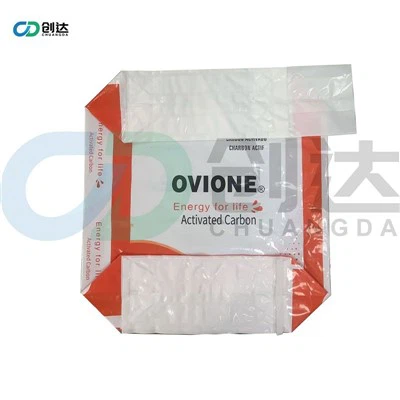
Yes, PE bags do have some impact on the environment. This is primarily reflected in the following areas:
Energy Consumption and Carbon Emissions: The production of PE bags requires a significant amount of energy, such as electricity and fossil fuels, which contributes to carbon emissions. While the manufacturing process for PE bags is relatively simple and energy-efficient compared to other plastics, their overall environmental impact is still significant.
Solid Waste Pollution: If used PE bags are not properly handled and recycled, they become solid waste, polluting the environment. While PE bags can undergo secondary processing, such as crushing, washing, and pelletizing recycled materials, to reduce plastic waste, improper handling can still have a negative impact on the environment.
Resilience: PE bags are made of polyethylene, which is difficult to decompose in the natural environment and can remain in the soil for hundreds or even longer. This can alter soil structure, affect plant growth, and harm wildlife. Furthermore, if incinerated, PE bags produce harmful smoke and toxic gases, which can pollute the environment over the long term.
Visual pollution: Discarded PE bags of various colors are discarded on city streets, in tourist areas, and in waterways, affecting the aesthetics of the environment.
Therefore, to reduce the environmental impact of PE bags, measures should be taken to promote their recycling, raise public awareness of environmental protection, and encourage the use of alternatives such as reusable shopping bags. At the same time, new environmentally friendly materials need to be developed to replace traditional polyethylene plastics.