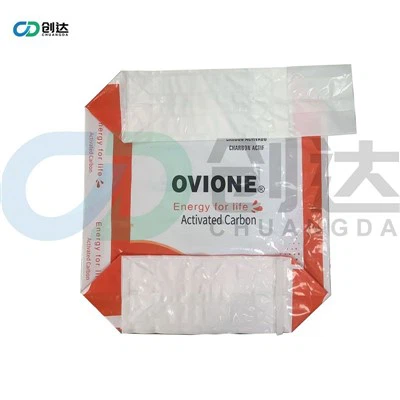
PE bags are polyethylene bags, specifically polyethylene bags.
Specifically:
Material Properties: PE bags are odorless and non-toxic, feel like plastic bags, are highly transparent and tough, and are moisture- and water-resistant.
Production Process: PE bags can be blown using a film blowing machine and then sealed using a bag making machine. They come in a variety of forms, including PE flat bags, ziplock bags, ziplock bags, envelope bags, perforated tote bags, handle bags, and zipper bags.
Types: PE bags can be categorized as high-pressure and low-pressure bags based on the type of particles used. They are also categorized by density, with low-density bags generally being more flexible and high-density bags being more durable.
Applications: PE bags are very common in the market and have a wide range of uses. For example, PE bags are used in food packaging to preserve freshness, prevent odor, prevent oxidation, and preserve nutrients. PE bags are also commonly used in packaging for pharmaceuticals, aquatic products, chemicals, electronics, and daily necessities.
In short, PE bag is a very practical and widely used plastic packaging bag.