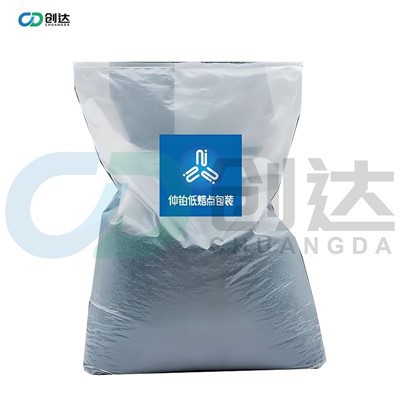


Advantages
1. Superior Physical Properties
These bags boast impressive strength. PP material is inherently rigid, with a tensile strength ranging from 30-35MPa. This means they hold up well against impacts. They can handle the weight of heavy materials being packed inside them. They also stand up to squeezing and bumping during transportation. It's rare for them to tear or break under these conditions.
They're also great at withstanding folding. Even when folded repeatedly, they don't easily develop cracks. This makes them suitable for being used multiple times. It also works well for long-term storage, where the bags might get moved or adjusted regularly.
Another key feature is their resistance to wear. The surface of PP bags is hard. When they rub against rough objects, they don't wear down easily. This protects whatever is inside the bags from damage caused by things outside.
2. Excellent Chemical Stability
PP bags are highly resistant to corrosion. They handle acids, alkalis, salts, and other chemical substances well. This makes them a good choice for packaging fertilizers, chemical raw materials, and other items that might be corrosive.
They also hold up against solvents. Organic solvents don't easily dissolve them. This means they can be used to package products like paints and inks, which contain solvents.
On top of that, they're moisture-proof and waterproof. PP material doesn't absorb water on its own. The rate at which water vapor passes through the material is low. This effectively blocks out moisture, keeping the contents inside dry. This is especially useful for materials like cement and flour, which need to stay dry to remain effective.
3. Heat Resistance and Weather Resistance
These bags handle high temperatures well. Their melting point is usually between 160-170℃. This allows them to tolerate hot environments. They can be used in situations like drying processes or disinfection, where temperatures rise. They don't warp or change shape easily under these conditions.
They also stand up to different weather conditions. When left outside for long periods, they resist aging caused by ultraviolet rays. This resistance gets even better when anti-aging additives are mixed into the material. This makes them suitable for being stored outdoors.
4. Convenience in Processing and Use
PP bags can be made using various forming techniques. Processes like blow molding and casting can create bags of different thicknesses and sizes. They also support custom printing. This means you can add brand logos, product information, and other details directly onto the bags.
Sealing them is flexible too. You can use heat sealing, sewing, or tying to close them. These methods create a stable seal. This makes the bags compatible with automated filling lines, where speed and consistency are important.
There's also a benefit to their lightweight nature. For the same level of strength, PP bags are lighter than paper bags or cloth bags. This reduces transportation costs, as less weight means lower fuel usage or shipping fees.
5. Environmental Friendliness and Cost-Effectiveness
PP is a recyclable plastic, marked with the recycling symbol "5". When these bags are no longer needed, they can be collected and processed for reuse. This helps reduce environmental pollution.
They're also economical. The raw materials needed to make PP are widely available. The production processes are well-established and efficient. This makes PP bags more affordable compared to materials like PE or nylon. Their lower cost makes them a practical choice for large-scale industrial use.
Common Sizes
The sizes of PP packaging bags can be customized based on their intended use and the weight they need to carry. Here's a breakdown of common specifications:
1. Typical Sizes by Application
For packaging chemical raw materials, common dimensions are 500mm×800mm×100mm, with a thickness of 80-120μm. These bags usually hold 25-50kg of material.
When it comes to packaging food grains, the bags are often 400mm×600mm×80mm, with a thickness of 60-90μm. They typically carry 10-25kg.
For building materials like cement and sand, larger bags are used. These are often 700mm×1000mm×150mm, with a thickness of 100-150μm. They're usually structured as woven bags with an inner film. They can hold 50-100kg.
For powdery materials, valve bags are common. These are often 300mm×500mm×50mm, with a thickness of 50-70μm. They typically carry 5-20kg.
2. Size Ranges by Bag Type
Flat bags come in various widths, from 150mm to 800mm-common widths include 200mm, 300mm, and 500mm. Their lengths range from 200mm to 1200mm, with typical lengths like 300mm, 600mm, and 1000mm. The thickness of flat bags is usually 50-150μm, which is adjusted based on how much weight they need to carry.
Valve bags, which are designed for automatic filling, have widths between 300mm and 600mm. Their lengths range from 500mm to 1000mm. The valve at the bottom has a diameter of 50-100mm, which makes it easy to connect to pipes for filling.
Woven bags, which combine PP woven fabric with an inner film, have widths from 450mm to 750mm. Their lengths range from 700mm to 1200mm. Industrial PP Packaging Bag can carry 25-100kg and are often used for heavy items like cement and feed.
3. Notes on Custom Sizes
If you need to package extremely large items or materials with irregular shapes, custom sizes are available. This can include bags with lengths over 1.5 meters or widths over 1 meter. For even larger loads, ton bags (also called flexible intermediate bulk containers) are used. These typically measure 900mm×900mm×1100mm and can carry up to 1 ton.
The thickness of the PP film is related to the weight the bag needs to carry. Heavier loads require thicker films. For example, bags designed to hold 50kg usually have a thickness of 100-120μm. In some cases, multiple layers are combined-like a PP outer layer with a PE inner layer-to improve sealing performance.
Hot Tags: industrial pp packaging bags, China industrial pp packaging bags manufacturers, factory, Food Grade PP Packaging Bags, Industrial PP Packaging Bags, pp bag, PP Composite Bag, PP Heat Resistant Packaging Bags, Seed PP Packaging Bag