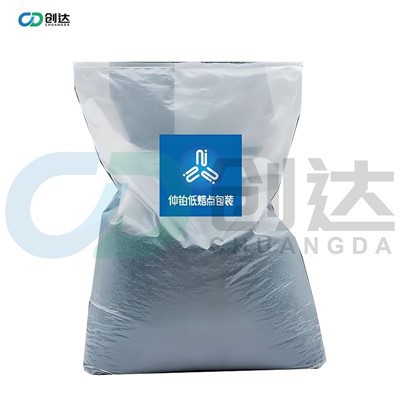


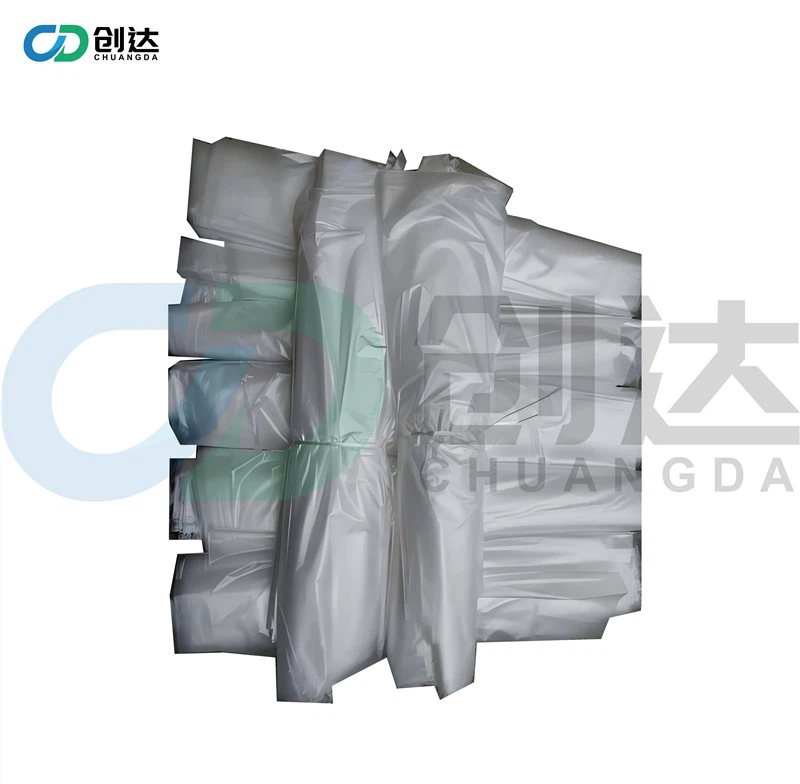
Advantages and Sizes of Conventional melting point feeding bag
Conventional melting point feeding bag are typically EVA low-melting-point feeding bags. Their melting point usually ranges between 65℃ and 115℃. These bags come with a host of useful features that make them a smart choice for various industrial uses. Let's break down their advantages and size options:
Advantages
Easy to Use
One of the biggest perks is how simple these bags are to work with. Their melting point is relatively low. This means you can put them directly into open mills or internal mixers without any extra steps. They melt smoothly and evenly. There's no risk of them not mixing in properly or leaving little white spots in the final product. This saves time during production. It also cuts down on the hassle of handling separate packaging materials.
Accurate Measuring
These bags make precise ingredient dosing a breeze. You can weigh out chemical raw materials exactly and then put them into the bags. This makes weighing quick and accurate. Being able to measure ingredients so precisely helps ensure that each batch of product turns out the same. It keeps quality consistent. And because you're using exactly what you need, there's less waste. You won't end up throwing away excess raw materials that were measured incorrectly.
Eco-Friendly and Energy-Saving
These bags are good for the environment. They mix well with rubber materials. You can put them into production equipment right along with the raw materials. When they break down, their components blend in with the rubber. They don't change how the rubber acts-its physical or chemical properties stay the same. Even better, there's no packaging waste left behind. You don't have empty bags to throw away or recycle. This fits with today's environmental standards. It also makes the production process more sustainable, using less energy and creating less waste.
Less Dust Pollution
If you're dealing with powdery or liquid chemical materials, these bags are a great fit. They keep powders from flying around when you're weighing them or putting them into machines. This is a big plus for workers. Less dust in the air means a healthier work environment. It reduces the risk of respiratory issues or other health problems caused by breathing in fine particles. The shop floor stays cleaner, too, making it a more pleasant place to work.
Strong and Durable
These bags are built to last. They have good stretching strength, so they can handle being pulled or stretched without tearing. They're also tough against impacts-if they get bumped or dropped, they're unlikely to break. Their resistance to punctures is another strong point. Sharp edges or rough materials inside won't easily poke holes through them. This strength means they can handle the pressure of being filled with materials. They don't rip or burst, keeping whatever is inside safe and secure.
Flexible and Versatile
These bags have a rubbery elasticity to them. They're soft and bendable. This flexibility is really useful. No matter the environment-whether it's cold, warm, humid, or dry-they keep their shape well. They don't crack or split when folded, bent, or squeezed. This makes them easy to store. You can stack them, fold them, or tuck them away without worrying about damage. It also makes transportation simpler. They can fit into tight spaces or odd-shaped containers without breaking open.
Consistent Performance in Production
Because they melt at a steady, predictable temperature, these bags perform the same way every time. You don't have to worry about some melting too quickly and others not melting enough. This consistency helps keep production processes running smoothly. Conventional melting point feeding bag reduces unexpected delays or problems caused by packaging that acts unpredictably. Workers can rely on the bags to behave as expected, making their jobs easier and more efficient.
Sizes
These regular melting point feeding bags can be made in custom sizes to fit specific needs. Manufacturers are happy to adjust dimensions to match what you're working with.
That said, there are some common sizes you'll often come across. These are based on length and width measurements. For example, 300mm×400mm bags are popular for smaller quantities. Then there's 400mm×500mm, which works well for medium-sized batches. The 500mm×700mm and 600mm×800mm sizes are good for larger amounts of material. For really big loads, the 1000mm×1200mm size is a go-to.
These sizes cover a range of uses. Smaller bags might be used for lab testing or small-scale production runs. Larger ones are better for industrial-sized batches, where you need to move more material at once. No matter the size, the flexibility to customize means you can get a bag that fits your equipment perfectly-whether it's a specific mixer, storage bin, or shipping container. This ensures the bags integrate smoothly into your workflow, making everything run more efficiently.
Hot Tags: conventional melting point feeding bag, China conventional melting point feeding bag manufacturers, factory, Conventional Melting Point Feeding Bag, eva feeding bag, Low Melt Automatic PE Valve Bags for Carbon Black, Low Melt PE Feed Bags for Rubber Additives, Low Melting Point Feeding Bag